Sanggingan, Ubud
Neka Art Museum
A bilingual guide to Neka Art Museum Ubud with Google Maps details, opening hours, admission, Balinese art collections, facilities, accessibility, FAQs, sources, and a legal photo plan.
Quick Facts
- Location
- Jalan Raya Sanggingan, Kedewatan, Ubud, Gianyar, Bali
- Suggested duration
- 1.5–3 hours
- Best time
- Morning or early afternoon
- Opening hours
- Daily 09:00–17:00; last entry 30 minutes before closing
- Admission
- Ticketed; purchase in person and verify current tariff
- Closed
- Nyepi Day
Location on Google Maps
Gianyar, Bali
Travel Advisor Score
A broad collection of Balinese-inspired art by Indonesian, Asian, and Western artists.
The collection helps explain artistic movements, artists, and historical context.
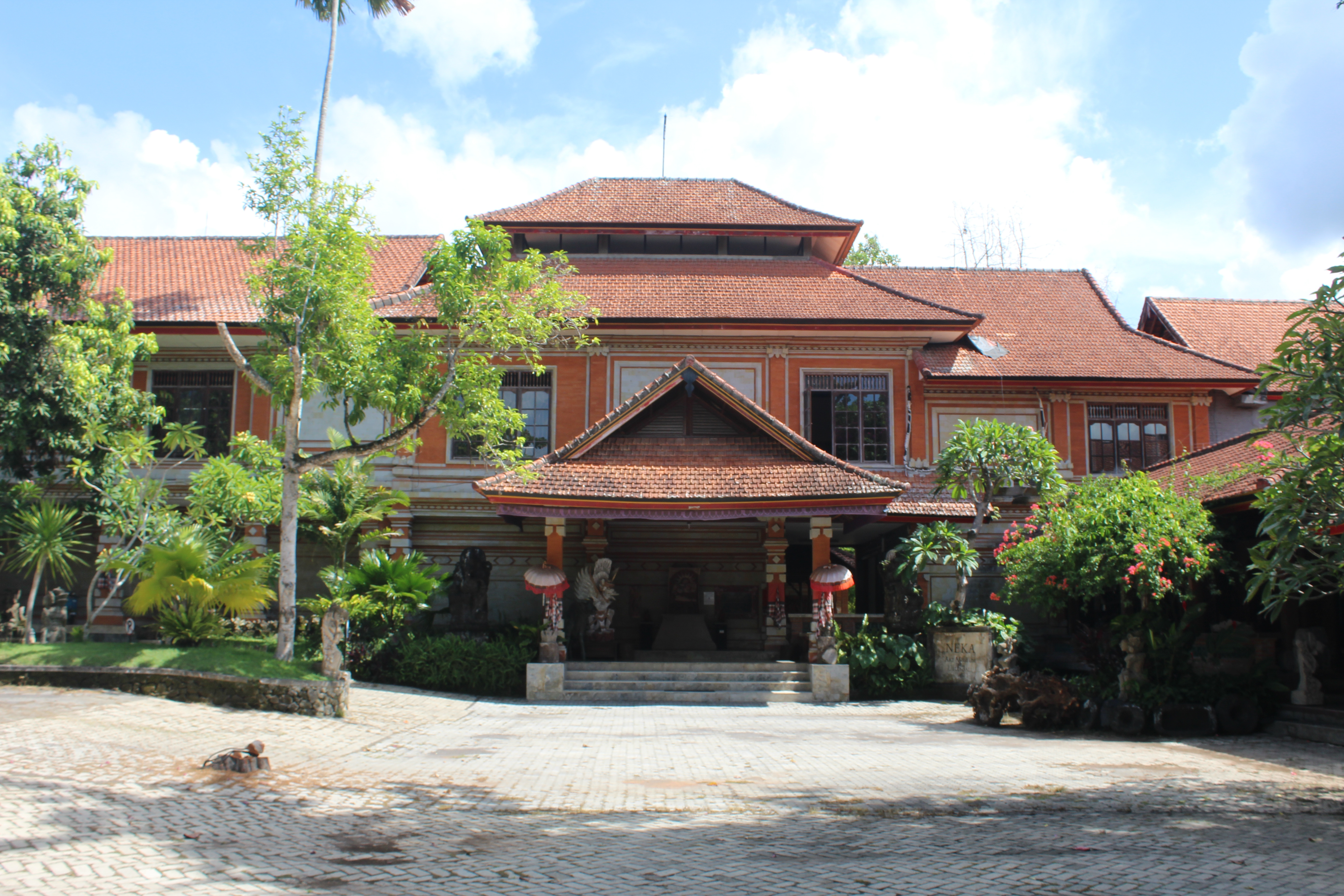
Multiple pavilions create a calm museum-campus experience.
Suitable for older children and families interested in art.
The pavilion layout requires route and level verification.
Generally quieter than central Ubud's busiest attractions.
Best For
- ✓ Balinese art enthusiasts
- ✓ Art students and researchers
- ✓ Travelers seeking a quieter museum
- ✓ Visitors exploring Ubud's art history
- ✓ Museum-garden and architecture photography
Reconsider If
- You have less than one hour
- You do not engage with artwork context
- You expect a high-tech interactive museum
- You require a fully step-free route without prior confirmation
Overview — English
Neka Art Museum is one of Ubud’s significant art museums. It was established to collect, preserve, document, and present art connected with Bali. Its collections are not limited to one period or one group of artists.
Visitors can see work by Balinese, Indonesian, Asian, and Western artists inspired by Bali. Multiple pavilions help separate themes, periods, and collection types. The official museum material also describes sculpture, photography, keris, Affandi, and Arie Smit sections.
The museum is most rewarding for visitors willing to read labels and follow the development of the collections. It is not a one-photo stop, but a place to understand how Balinese art moved from classical styles toward modern expression.
Koleksi dan Paviliun
Balinese Painting
Koleksi memperlihatkan perkembangan lukisan Bali dan hubungan antara seniman lokal, patron, kolektor, serta seniman asing.
Arie Smit
House of Arie Smit dan koleksi terkait memberi konteks terhadap seniman Belanda yang sangat terkait dengan perkembangan kelompok Young Artists di Ubud.
Affandi Pavilion
Paviliun ini menampilkan karya Affandi dan membantu memperluas konteks museum di luar seni Bali lokal.
Photography Pavilion
Situs resmi menyebut koleksi foto hitam-putih Robert Koke yang mendokumentasikan seni serta budaya Bali dari tahun 1930-an hingga awal 1940-an.
Keris Pavilion
Koleksi keris merupakan salah satu bagian khas museum dan membantu menjelaskan keris sebagai benda seni, budaya, dan spiritual.
Sculpture Pavilion
Patung klasik, primitif, dan modern memberi gambaran mengenai beragam perkembangan seni patung yang terkait dengan Bali.
Collections and Pavilions
Balinese Painting
The collection presents the development of Balinese painting and the relationships between local artists, patrons, collectors, and foreign artists.
Arie Smit
The House of Arie Smit and related collection provide context for the Dutch artist strongly associated with Ubud’s Young Artists movement.
Affandi Pavilion
This pavilion presents work by Affandi and broadens the museum’s scope beyond local Balinese art.
Photography Pavilion
The official museum information describes black-and-white photographs by Robert Koke documenting Balinese art and culture from the 1930s to the early 1940s.
Keris Pavilion
The keris collection is a distinctive museum section, presenting the dagger as an artistic, cultural, and spiritual object.
Sculpture Pavilion
Classical, primitive, and modern sculpture illustrates varied developments in art connected with Bali.
Best Time to Visit
Morning provides cooler conditions and a quieter atmosphere. Early afternoon is also practical, particularly during rain or strong midday heat elsewhere in Ubud.
The museum closes at 17:00 and accepts final entry 30 minutes before closing. Arriving after 16:00 does not provide enough time for a complete visit.
Ticket Information
The official visitor page states:
- Tickets are purchased in person.
- Tickets include the permanent collection.
- Temporary exhibitions do not require a ticket.
The current tariff is not clearly displayed in the retrieved official text. Confirm admission at the museum before publication.
Accessibility
Available at the museum entrance.
Pavilions and gardens may include changes in level.
Confirm ramps, thresholds, and pavilion routes.
Available in selected gallery and garden areas.
Confirm directly with the museum.
Facilities
- Permanent galleriesAvailable
Multiple pavilions.
- Temporary exhibition areaAvailable
Current program varies.
- Gift shopAvailable
Official visitor page lists the museum and gift shop.
- GardensAvailable
Part of the museum-campus experience.
- ParkingAvailable
Confirm capacity.
- ToiletsAvailable
Confirm accessible facilities.
Ticket Information
| Category | Price | Notes |
|---|---|---|
| Permanent collection | IDR 75,000 (Child) | Purchased at the museum. |
| Temporary exhibition | Included | Generally included with admission. |
Last verified: 2026-07-17
Opening Hours
09:00–17:00
Last entry 30 minutes before closing.
Closed
Confirm any additional holiday closures.
Last verified: 2026-07-17
Nearby Destinations
Sources
- Neka Art Museum official website
Neka Art Museum · 2026-07-17
- Neka Art Museum official visitor information
Neka Art Museum · 2026-07-17
- Official Neka Art Museum Instagram
Neka Art Museum · 2026-07-17
- Google Maps — Neka Art Museum
Google Maps · 2026-07-17
- Museum Seni Neka (Wikimedia Commons)
Wikimedia Commons · 2026-07-17